

For John Raptis, growing up in the eighties meant one thing, and one thing only… and that was video games.
He knew right off the bat that video games, a medium that felt like a special contraband from the future, were going to be his life.
“From the very first second I saw [a video game], I was like, that’s what I want to do,” he remembers thinking to himself back then.
So, for the next few decades, through school, side jobs, adulthood, all the milestones and interruptions that life can throw at a person, it was all that he did: small games, half finished ones, experiments, whatever he could make. Relentlessly.
“Since I was eight years old, I have been writing video games,” he says. “There has not been a moment of my life that I wasn’t doing one at some point.”
But for John, it was never about building a company, per se. No, he was so caught up in making the games themselves, that eventually, almost by accident, the company had formed around him and his life’s work.
And by 2001, he christened that body of work with a name: Raptisoft.
The formula behind the name was practical for all intents and purposes: he took his last name, and simply added “soft” to it — surname + suffix. The thinking was that he wanted something that he wouldn’t regret later. “Which I ended up still regretting,” he likes to joke.
At the time, John was still working what he describes as a fairly ordinary computer job in the Detroit area, writing games on the side, not yet convinced that game development could earn him a real living.
But then life, as it tends to do, stepped in. This time, with a mortgage.
“I didn’t get serious about [making games] until I bought a home,” he said. “There’s no better motivation than a mortgage.”
That pushed John to release his first official commercial game. Six months later, he did what most people only talk about: he quit his day job.
Another studio, PopCap (who evidently didn’t choose the surname + suffix naming formula) even picked up that first game, giving him all the validation he needed that this whole independent developer angle might actually work.
Not a bad return for some debt-fueled pressure.
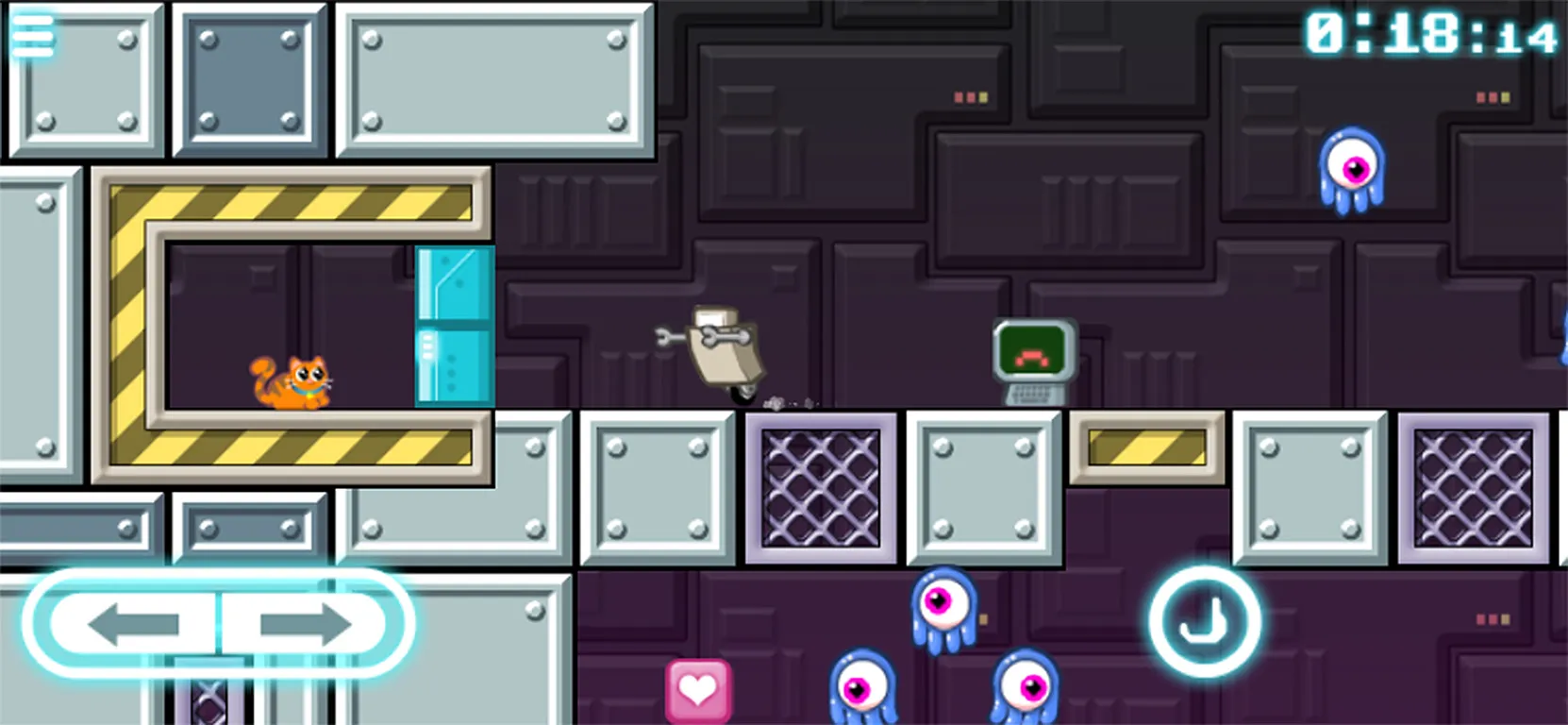
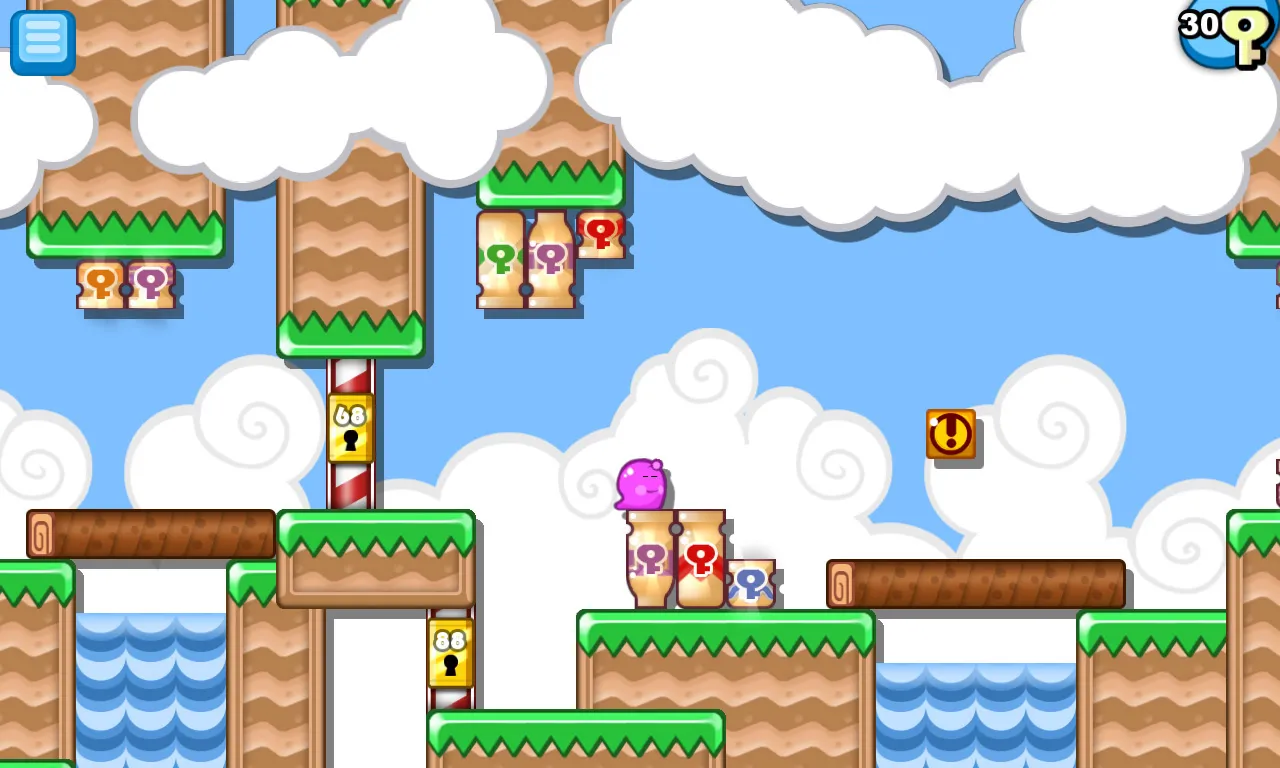
From there, Raptisoft grew game by game, title by title, cranking out hits such as Chuzzle 2, Solomon’s Keep, Solomon’s Boneyard, Hoggy 2, and Robot Wants Kitty.
Even so, John actively tries to avoid dressing up his achievements with any kind of fancy, business lingo. Rather, when he talks about Raptisoft, he spotlights the artist at his core. Yes, he does the programming, but at the end of the day, what he loves most is the design, the art itself.
“When I write a game it’s like a person writing a novel,” he says, referring to his craft the same way people talk about making art, creating something he sends out into the world to see if people connect with it.
And connect they have. Raptisoft’s titles have reached several million downloads across app stores, with Chuzzle for adults, Hoggy for younger players, some titles for all those Nintendo lovers out there, and still others for late teens and twenty-somethings.